
San Antonio, Texas · Homeowner guide
The water heater leaked. What should you check next?
A replacement heater fixes the source. The escaped water may still need a separate assessment, especially where flooring, trim or nearby rooms are involved.
A practical starting point for describing the water source, affected rooms and materials. A qualified assessment determines the actual scope.
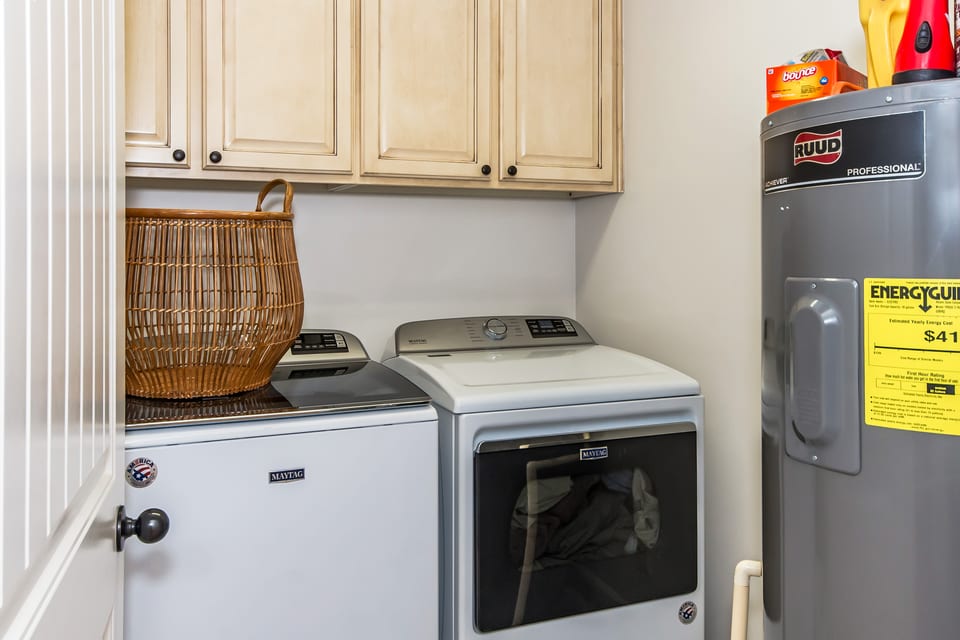
First decision
Protect yourself and stop the source.
Stay out of standing water near electrical equipment. If it is safe to do so, shut off the water supply and arrange a qualified plumbing or appliance repair. Note the time discovered and photograph the source.
Second decision
Trace the water, not just the appliance.
Look for visible water at floor edges, nearby cabinets and adjoining rooms without opening unsafe assemblies. Ask a qualified assessor which layers should be checked and how findings will be recorded.
Third decision
Separate the written scopes.
Ask whether the water-heater replacement, water removal, drying and final repairs are separate proposals. Keep documentation for the insurer; coverage is a policy question, not a promise from this article.
Sources worth opening
Use the primary guidance.
Questions homeowners ask
A little more clarity.
Will replacing the heater dry the floor?
A heater replacement addresses the failed equipment. Ask separately about water removal, affected materials and monitoring.
Next conversation
Know the damage. Ask about the whole job.
Bring the affected address, rooms, source and photos to a qualified assessment when an approved provider route is available.