
Service guide / Storm water
Storm water cleanup for San Antonio homes.
Rain through an opening and outdoor water entering at ground level are different situations. Identify the entry path and possible hazards before comparing cleanup plans.
Safety first
Treat unknown water cautiously.
Outdoor floodwater and sewage may carry hazards. Avoid entering areas with electrical danger or unstable materials. Emergency and utility services address immediate hazards; restoration scope follows a safe assessment.
Entry path
Document how and where water entered.
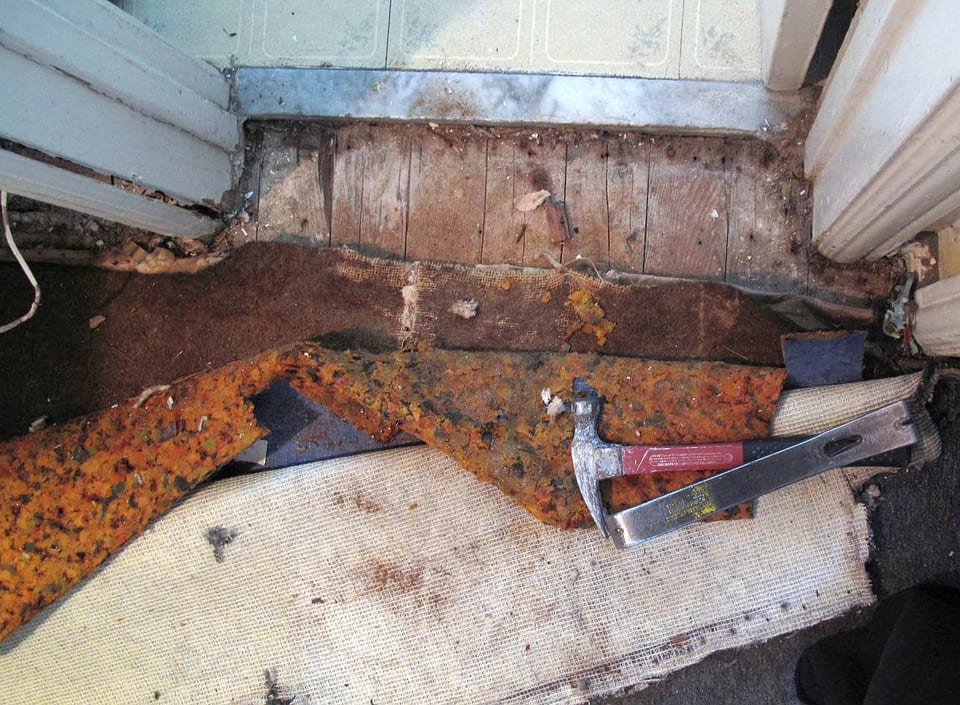
Photograph visible entry points, exterior conditions and affected interior rooms when safe. Roof, window, drainage and ground-water situations may involve different repair trades and insurance terms.
- Keep the time and weather observations factual.
- Do not treat a flood-risk map as proof of this loss.
- Ask who handles the entry-point repair.
Cleanup scope
Ask about source, materials and disposal.
The written plan should explain water removal, affected materials, potential contamination, drying or removal, monitoring and repair handoff. Storm-response availability and timing have not been verified for this site.
When reviewing an estimate
Compare the same work.
These are scope questions, not a diagnosis or price quote.
| Stage | Question |
|---|---|
| Source repair | Who stops the leak or other entry point? |
| Water removal | Which rooms and accessible water are included? |
| Drying | Which materials will be assessed and monitored? |
| Repair | Which replacement work is included or excluded? |
Sources worth opening
Use the primary guidance.
Questions homeowners ask
A little more clarity.
Does a city flood map tell me what my policy covers?
No. City maps show geographic risk context; your policy and insurer determine coverage for a specific loss.
Next conversation
Know the damage. Ask about the whole job.
Bring the affected address, rooms, source and photos to a qualified assessment when an approved provider route is available.